News

Mimicry

20211121_121504.webp
Mimicry: Particularity of species which, because of its shape and/or colour, can be mistaken for the environment or for individuals of another species.

Often assimilated to this other definition.

Camouflage: all devices which allow an animal or plant to become indistinguishable from its environment.

Both mimicry and camouflage, when applied to the animal or plant kingdom, are aimed at the supervival of species. However, mimicry seeks to assimilate itself to its surroundings, while camouflage seeks to hide within them.

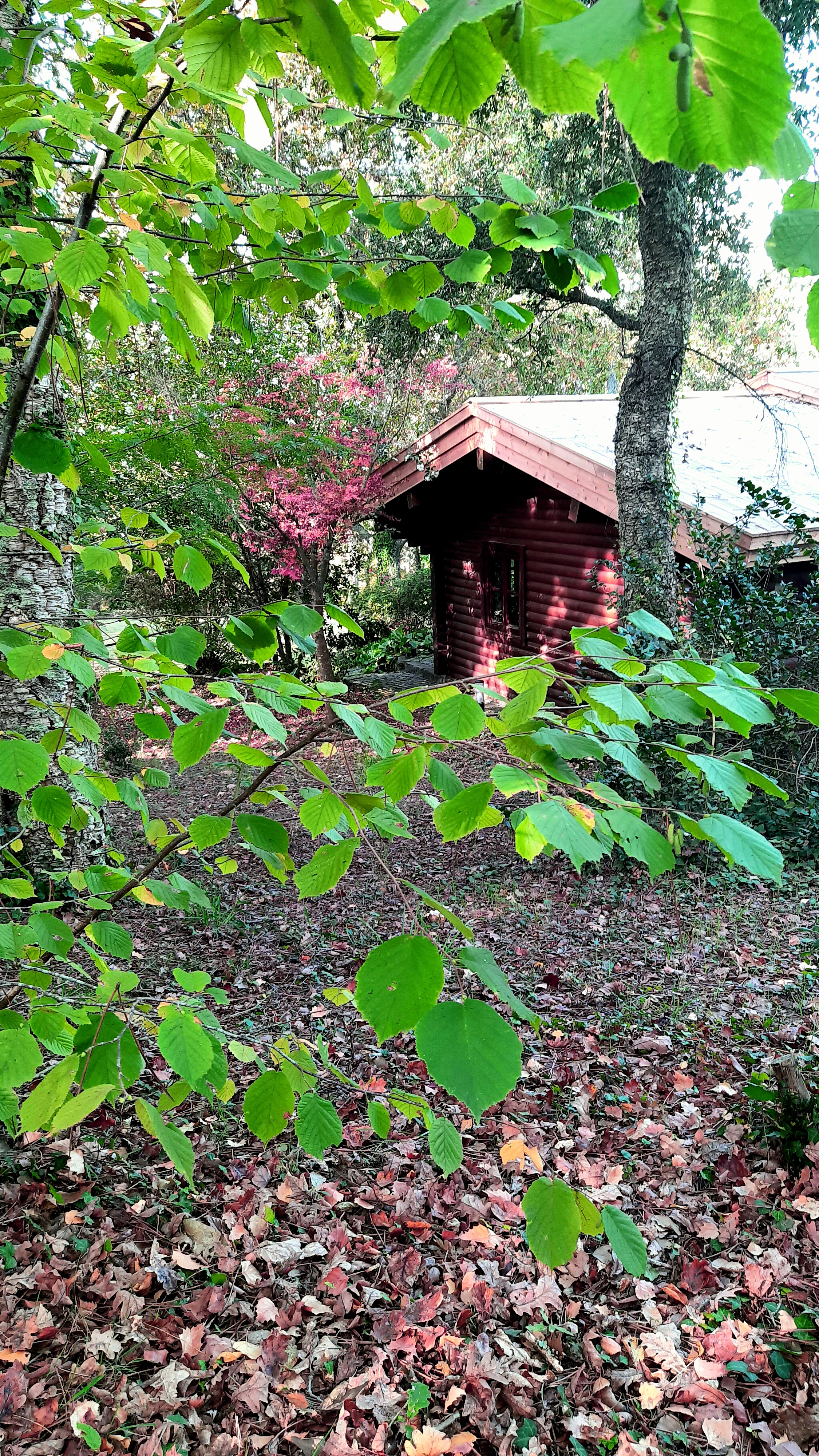
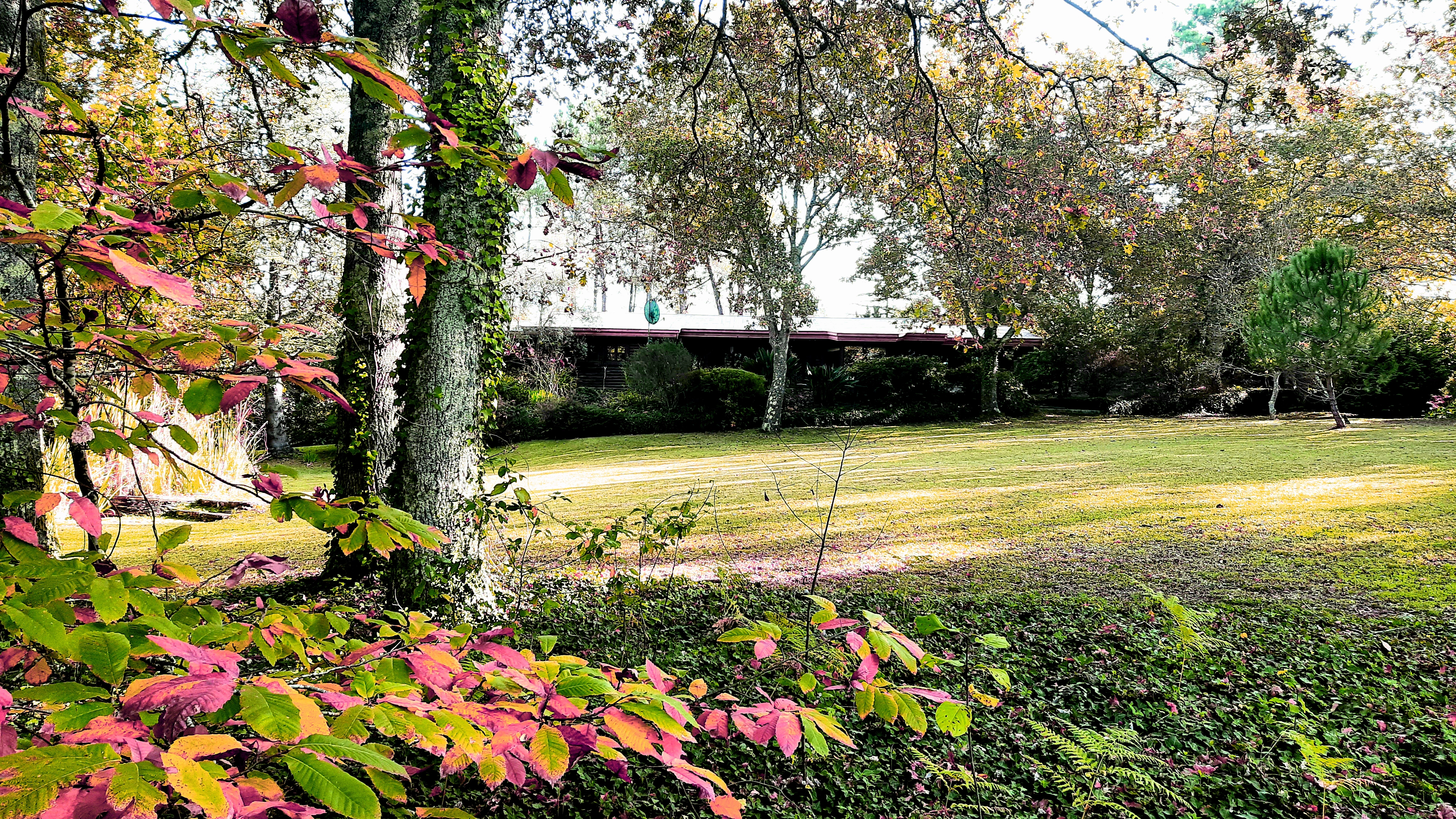
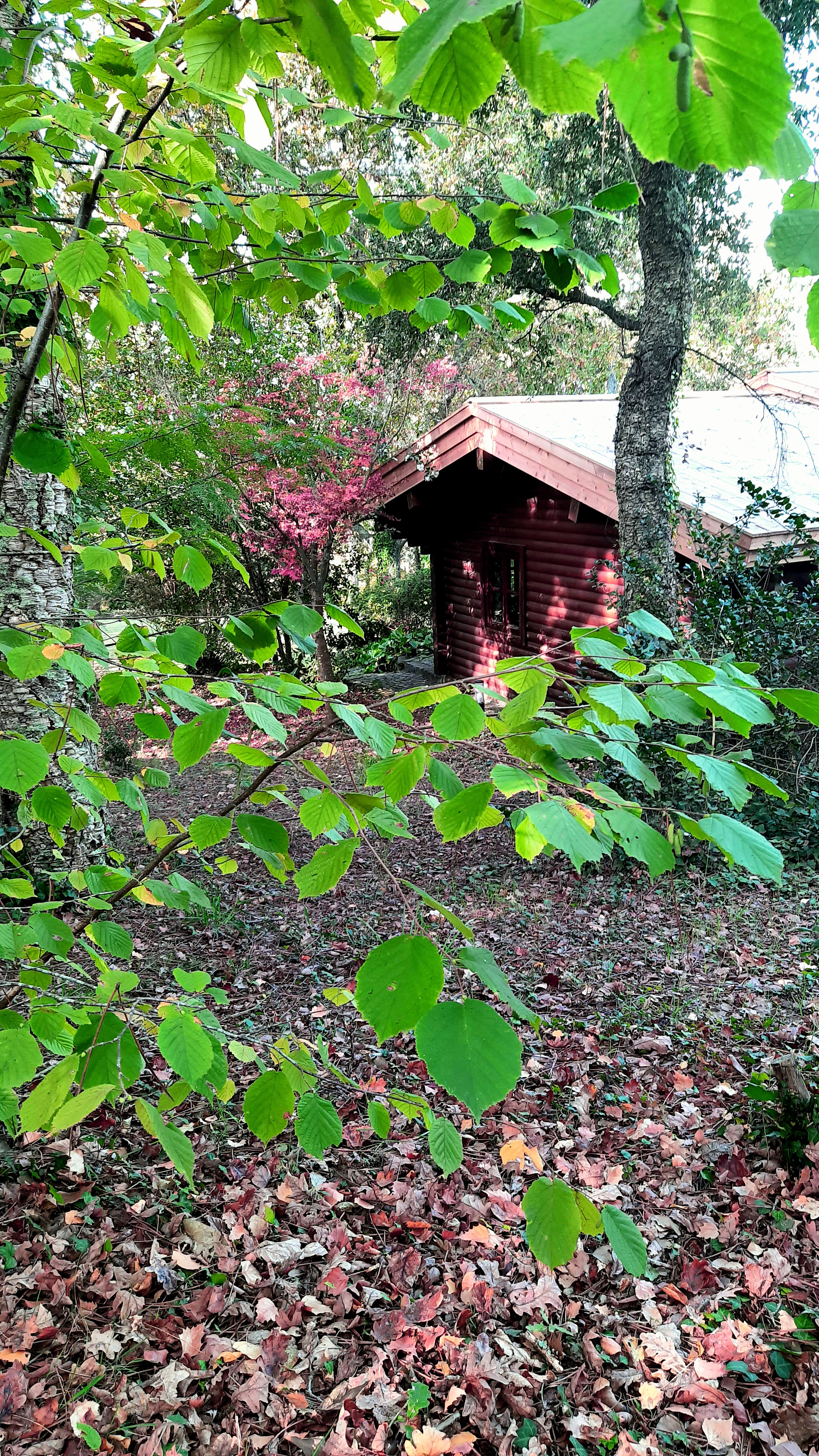
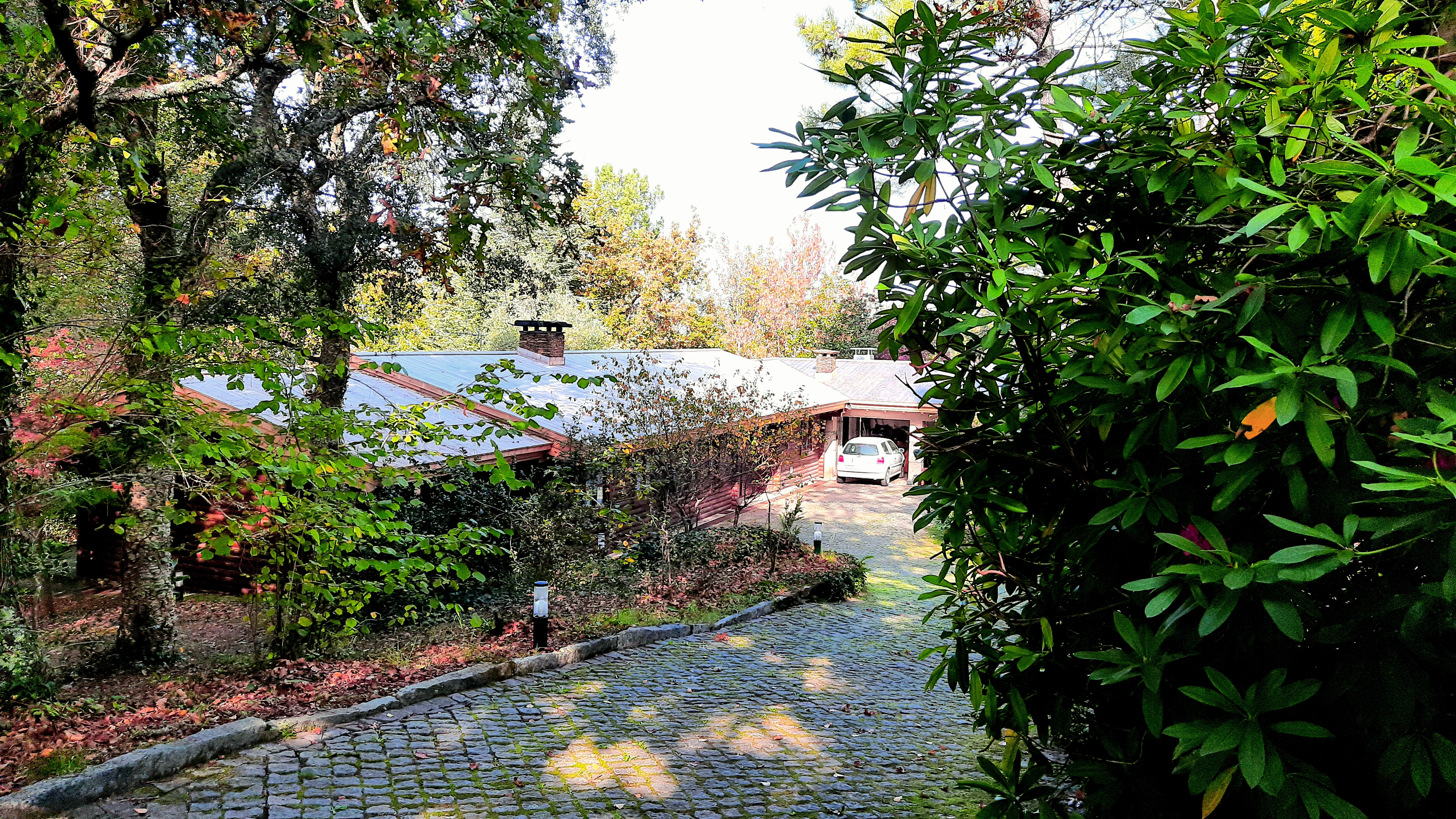
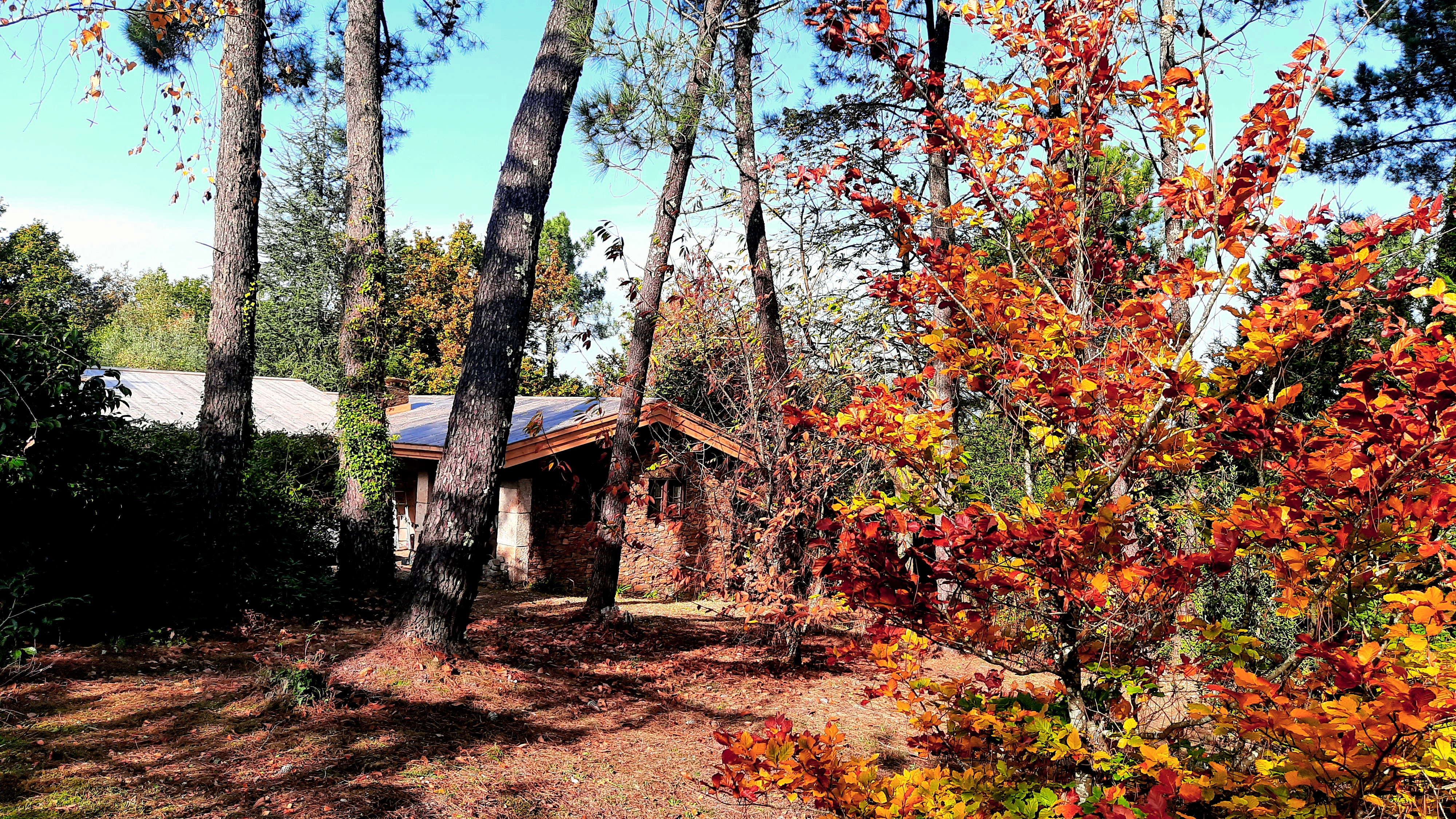
Wooden houses have this inherent ability to integrate with their natural surroundings, not from the point of view of camouflage, because they do not intend to hide from prying eyes, but rather from the perspective of mimicry, because the material that makes them up comes from the very nature that surrounds them. Thus, we find cases in which it is difficult to discern the presence of a construction in the surrounding landscape, so great is its resemblance to the vegetation planted there.

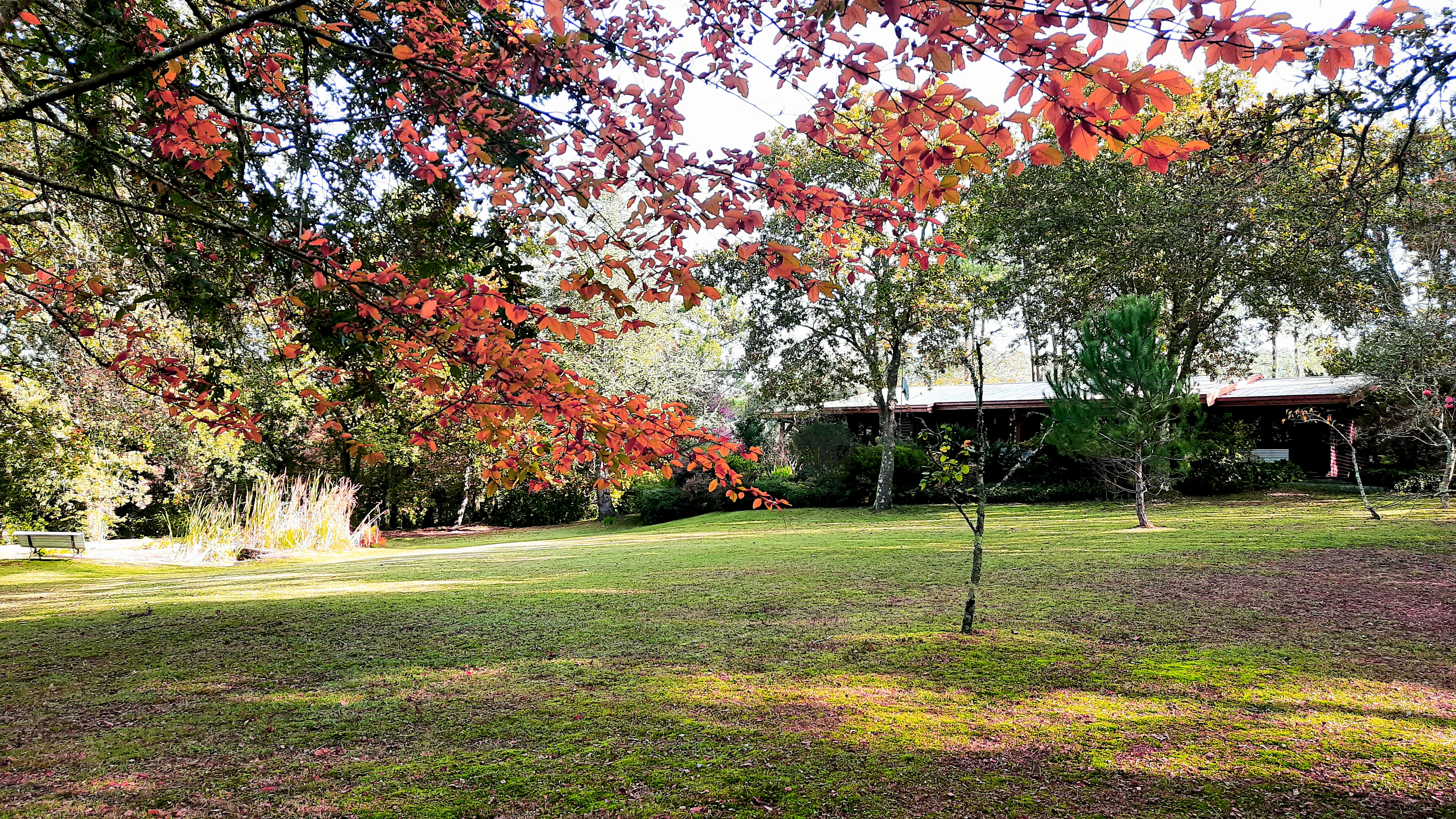
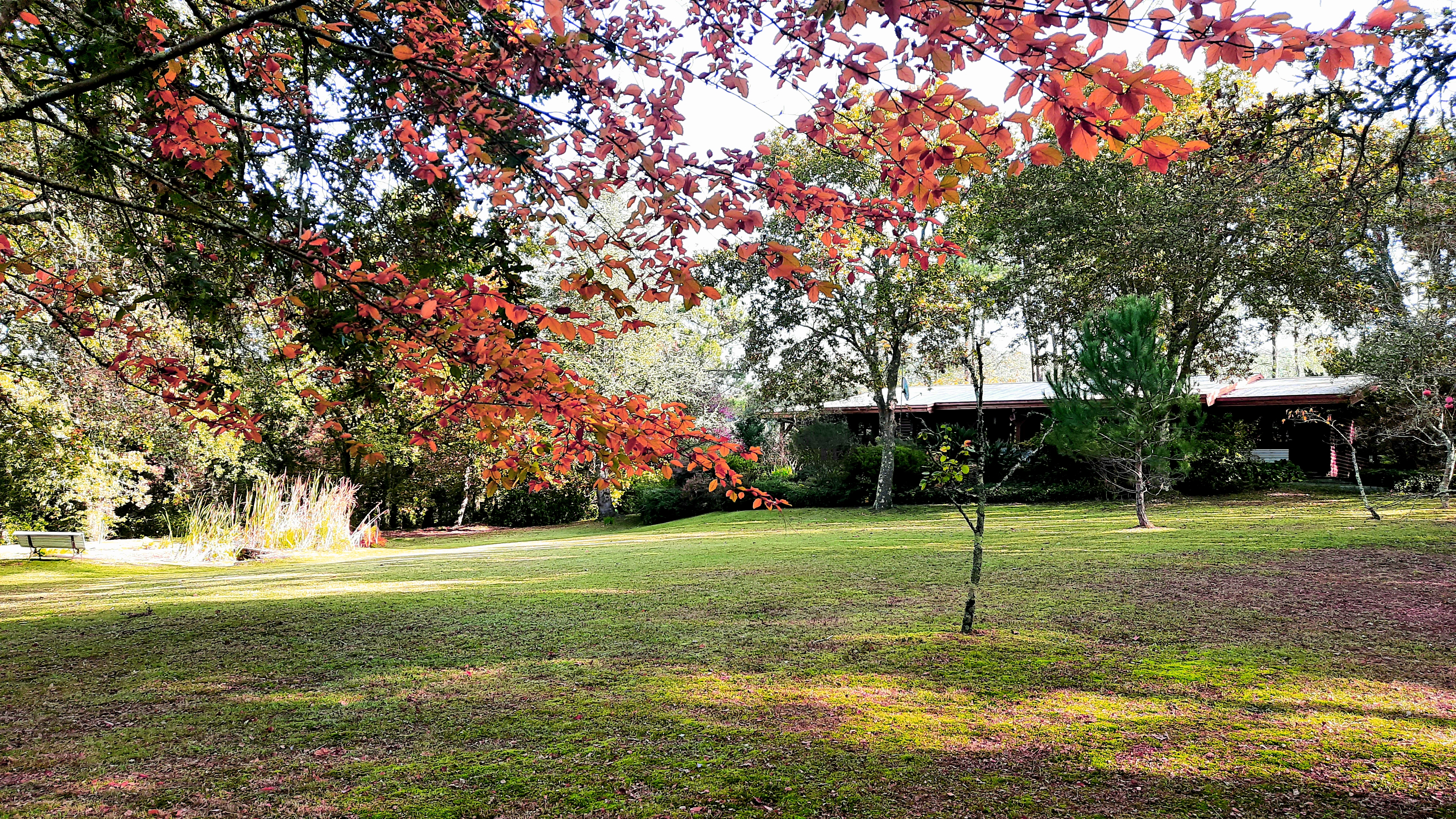
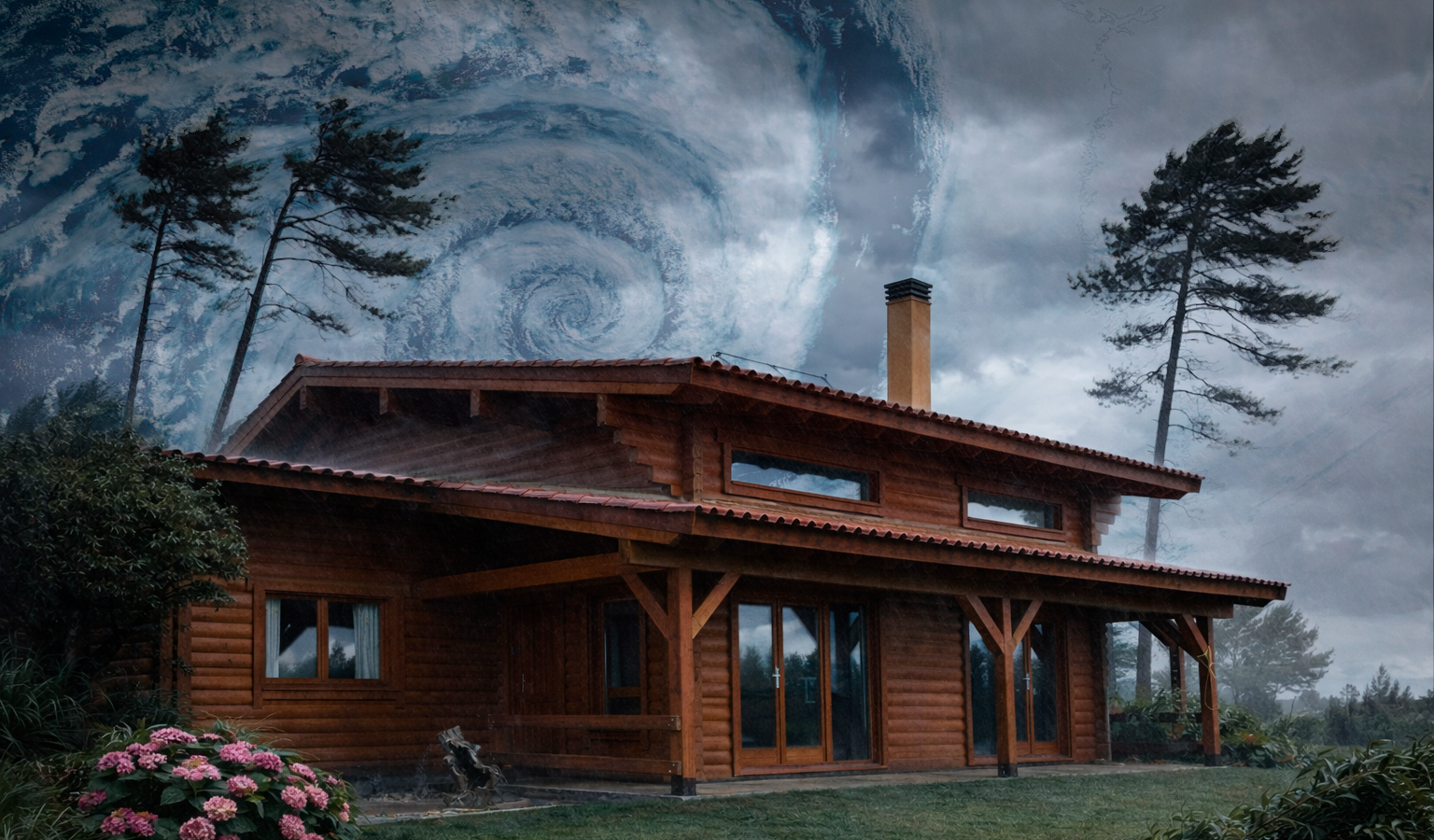
Here we have a beautiful example: a wooden house set in a green park, among an extensive lawn and colourful trees. Now more than 30 years old, this house has fused with the plant species, oaks and pines, that were already there, in a perfect exercise of mimicry. An example of respect for Nature.

rusticasa® house in Seixas – Caminha.

Related articles

Mies van der Rohe 2019 Awards

Casa do Rio nominated for the European Union Award for Contemporary Architecture Mies van der Rohe 2019. This project was selected to integrate the 5 nominations that the Order of...

Read more

Construir '18 awards

Casa do Rio was once again distinguished with the Construir’18 Award, in the category of Best Private Project. CONSTRUIR magazine, in a clear sign of commitment, perseverance and...

Read more

Anthropological view of wooden constructions

We can mention three major paradigms: the pre-industrial paradigm, the industrial paradigm and the post-industrial paradigm, which some consider to be an emerging paradigm...

Read more