News

Wood Treatments and Naturally Durable Timber Species

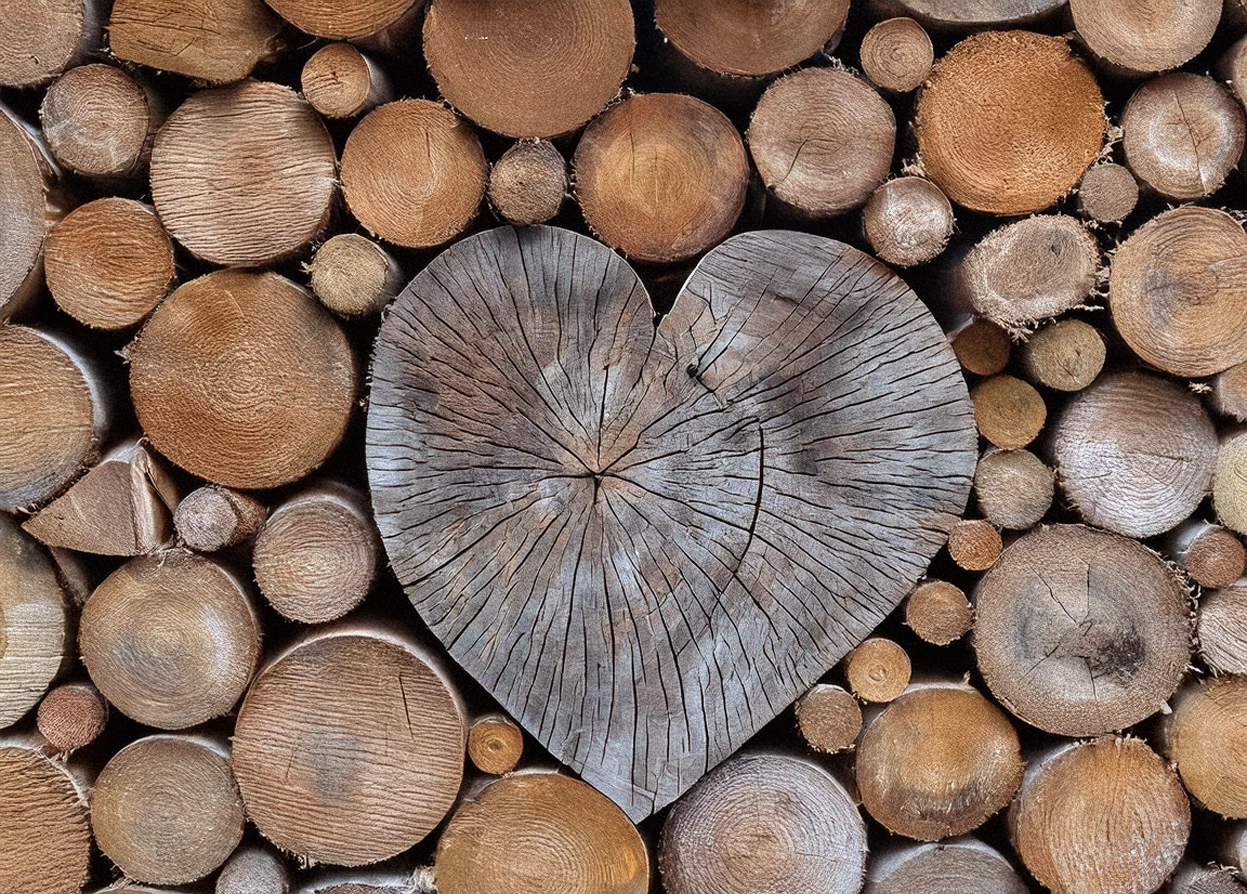
troncos.webp
Wood is a noble, ecological material with high structural performance. However, as a natural product, it is subject to degradation if not properly protected. To ensure durability, comfort, and safety, it is essential to apply appropriate treatments or to choose species that are naturally resistant to the action of fungi, insects, and weathering.

This text presents the main wood protection methods, with an emphasis on the solutions used by rusticasa®.


1. Why protect wood?

In outdoor or humid environments, wood can degrade within a few years if untreated. The action of xylophagous organisms (fungi and insects), UV radiation, and moisture are the main agents of deterioration.

With proper treatment or careful selection of the species, it is possible to achieve structures with a minimum lifespan of 50 years, or even longer, as demonstrated by centuries-old timber constructions found throughout Europe.


2. Naturally durable species

Not all wood requires deep chemical treatments. Some species possess natural resistance to biological and climatic agents due to their density, internal oil composition, and cellular structure.

2.1. Japanese Cedar (Cryptomeria japonica)

Used by rusticasa®, this is a lightweight and versatile wood from sustainable plantations in the Azores.

  • Natural resistance: class 2 (durable) against fungi and termites.
  • Characteristics: pinkish colour, pleasant scent, dimensionally stable.
  • Applications: exterior cladding, ventilated façades, light structures.
  • Advantages:
    • Fast and local growth (reduces ecological footprint).
    • Good strength-to-weight ratio.
    • Excellent absorption of oils and varnishes.

rusticasa® uses treated and kiln-dried Azorean Cryptomeria, which further enhances its durability.

2.2. Central European Larch (Larix decidua)

A mountain species, naturally rich in protective resins.

  • Natural resistance: class 2 to 3 (durable to moderately durable).
  • Characteristics: reddish tone, pronounced grain, hard texture.
  • Applications: exterior façades, decking, window frames.
  • Note: May exhibit resin exudation and surface cracks over time.

2.3. Western Red Cedar

Highly valued in North America for its durability and lightness.

  • Natural resistance: class 1 to 2 (very durable).
  • Characteristics: reddish-brown tone, characteristic aroma, low density.
  • Applications: cladding, roofing, outdoor furniture.
  • Advantages:
    • High dimensional stability.
    • Withstands moisture-dry cycles well without warping.


3. Passive protection and construction techniques

More than the type of wood or treatments applied, the durability of a structure depends on the technical solutions adopted in the design. These techniques are part of what's known as passive protection: strategies that prevent direct contact with water, promote ventilation, and reduce moisture retention.

Fundamental principles:

  • Proper sizing of eaves and roofs to avoid direct exposure to rain.
  • Use of rough-sawn wood installed vertically with open joints — a solution that favours water drainage and ventilation, reducing the risk of decay.
  • Avoiding flat horizontal surfaces exposed to rain.
  • Effective ventilation of façades, roofs, and floors to prevent moisture accumulation.
  • Construction details that prevent direct contact with the ground or standing water.
  • Use of drainage systems and protection of wood ends.

rusticasa® systematically applies these principles in its projects, using proven solutions that combine tradition and innovation.


4. Wood treatment methods

When using less durable species, or when enhanced protection is desired, various treatments are applied:

4.1. Pressure treatment (autoclave)

This consists of injecting preservatives under pressure in sealed chambers, allowing deep penetration into the wood.

  • Usage: exterior structures, posts, decking, foundations.
  • Common products: ACQ (alkaline copper quaternary), creosote, boron salts.
  • Advantages: superior durability, even in ground contact.

4.2. Thermal treatments

A physical process that modifies the wood structure through controlled application of heat, with or without steam, to improve durability and stability without using chemicals.

Examples:

  • Thermo-Modification: Thermal treatment of wood enhances its properties such as durability and dimensional stability by applying heat and, in some cases, steam, without using chemicals. This process improves resistance to fungi, insects, and weathering, while also altering colour and texture.
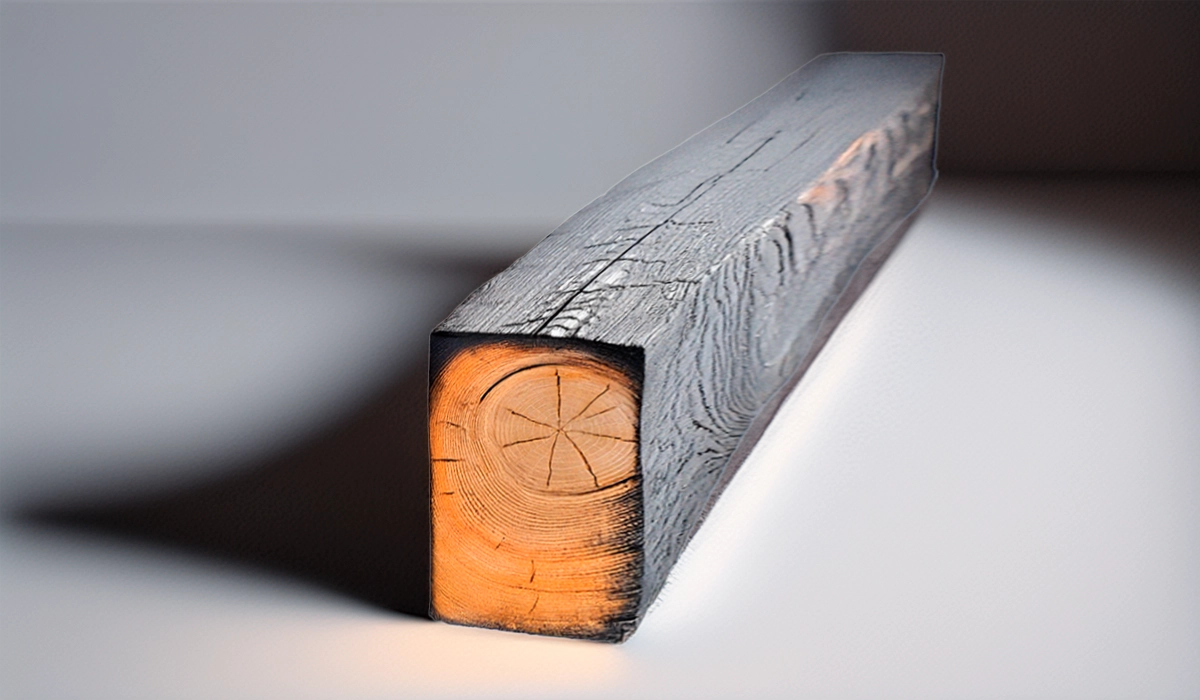
  • Surface charring: Surface charring treatment, known as Yakisugi or Shou Sugi Ban, is a Japanese technique that involves burning the wood surface to create a protective charcoal layer. This charred layer increases resistance to fire, insects, fungi, and moisture, while giving a unique aesthetic appearance.

4.3. Surface treatments (oils, stains, paints, varnishes)

Applied by brushing or spraying. Used for protection against UV, water, and aesthetic wear.

  • Natural oils: a good option for sustainable maintenance, they penetrate the wood and allow it to breathe.
  • Stains: provide protection and uniform colouring while maintaining the visible texture of the wood.
  • Water-based paints: eco-friendly, they offer good coverage and durability, ideal for exterior environments.
  • Varnishes: enhance the appearance of the wood but require periodic maintenance.


5. Maintenance and best practices

The durability of wood depends not only on the initial treatment but also on regular maintenance.

Recommendations from rusticasa®:

  • Maintenance painting:
    • First after 2 years following construction.
    • Second between 5 and 6 years.
    • Subsequent: every 3–5 years, depending on exposure.
  • Gutter and roof cleaning: annually.
  • Hardware inspection: every six months.
  • Avoid ground contact: maintain a minimum clearance of 20 cm and good underfloor ventilation.
  • Façade cleaning: with low-pressure water spray, neutral soap, and light sanding as needed.

rusticasa® exclusively uses kiln-dried wood, treated and sized in accordance with Eurocode 5, ensuring structural performance and durability.


6. Conclusion

The durability of wood depends on its species, how it is treated, and how it is maintained. In many cases, the best solution is to combine:

  • Naturally resistant species (such as Japanese Cedar or Larch).
  • Technical treatments, such as stains or oils.
  • Good construction practices and periodic maintenance.

The approach adopted by rusticasa®, which combines the use of noble and resistant woods with the application of modern treatment and maintenance techniques, demonstrates that it is possible to build with wood while ensuring longevity, comfort, and environmental responsibility.

Related articles

New ISO Certifications

We are proud to announce that we have just obtained the new ISO 9001 and ISO 14001 certifications. After a first concession obtained through Bureau Veritas already in 2007 and renewed...

Read more

Archilovers Best Project 2017

The architecture and design site Archilovers selected the project of Casa do Rio as one of the Best Project 2017. After the Best of Wine Tourism Awards of 2016, the project Casa do Rio was once...

Read more

rusticasa® at the Sustainable Innovative Materials Exhibition

Following the Sustainable Innovative Materials Exhibition, which took place in Coimbra from 27 March to 2 April, and where rusticasa® contributed by presenting samples of its ITS™...

Read more