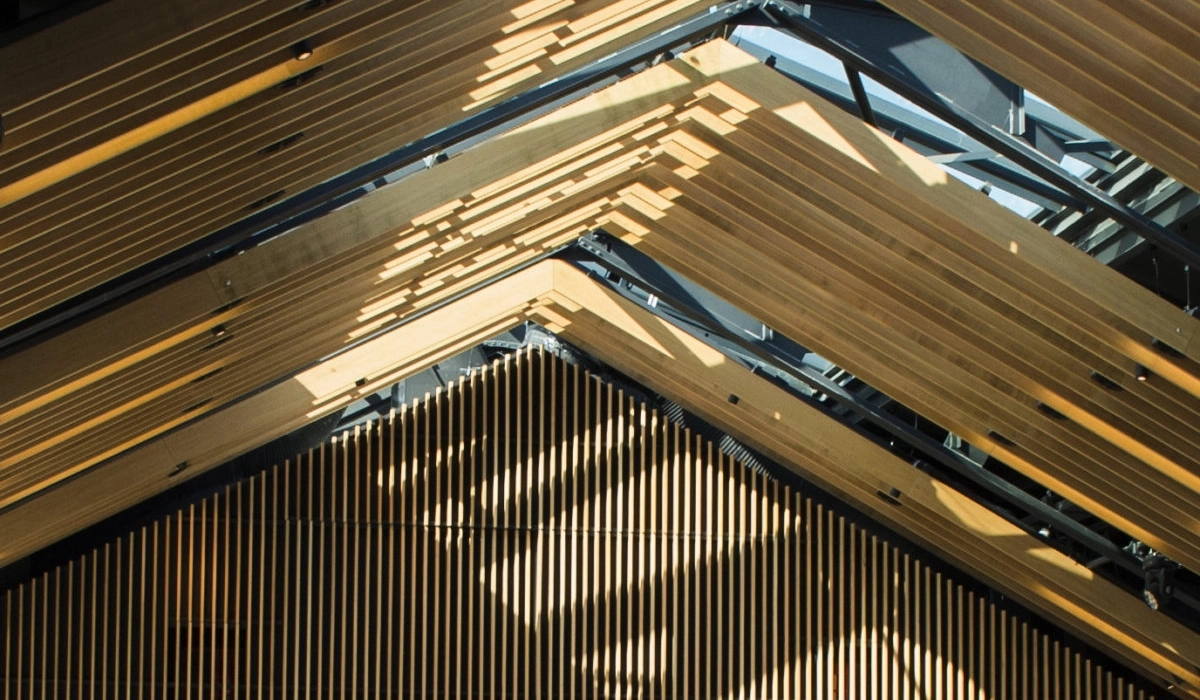
Trends in Timber Architecture for 2026
There is a quiet yet profound shift taking place in how we think about our homes. More than just a shelter, the space we live in has become an extension of our well-being, our choices, and even our personal values. In this context, timber houses are emerging in 2026 not only as a sustainable solution, but as a sophisticated, contemporary, and highly desirable architectural expression.
Timber architecture is evolving alongside this transformation with a renewed language. Lines become simpler, cleaner, almost intuitive. Excess gives way to what is essential, and the essential takes center stage. Inspired by Scandinavian influences, minimalist design continues to assert itself, now with a more sensory approach: natural surfaces, soft tones, and a constant presence of wood as a living element. This is not just about aesthetics — it is about creating environments that promote calm, balance, and comfort.
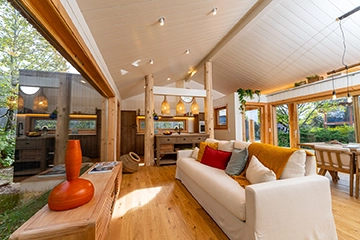
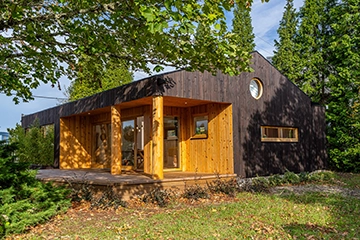
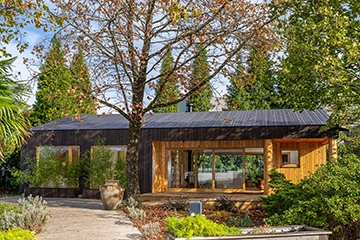
At the same time, the relationship between interior and exterior becomes increasingly fluid. Homes open up to the landscape, invite natural light in without restraint, and dissolve boundaries that were once rigid. Large glazed surfaces, sliding doors, and outdoor spaces designed as natural extensions of the home create a sense of continuity that transforms the living experience. It is no longer about being inside or outside — but about inhabiting a space where both coexist in complete harmony.
|
|
|
Meanwhile, the evolution of
modular timber homes is redefining expectations. What was once associated with temporary or limited solutions is now synonymous with
precision, efficiency, and advanced design. In 2026, modular construction stands out for its ability to combine
speed of execution with high standards of quality and
customization. Each project can be unique, tailored to the lifestyle of its inhabitants, without compromising architectural coherence or durability.
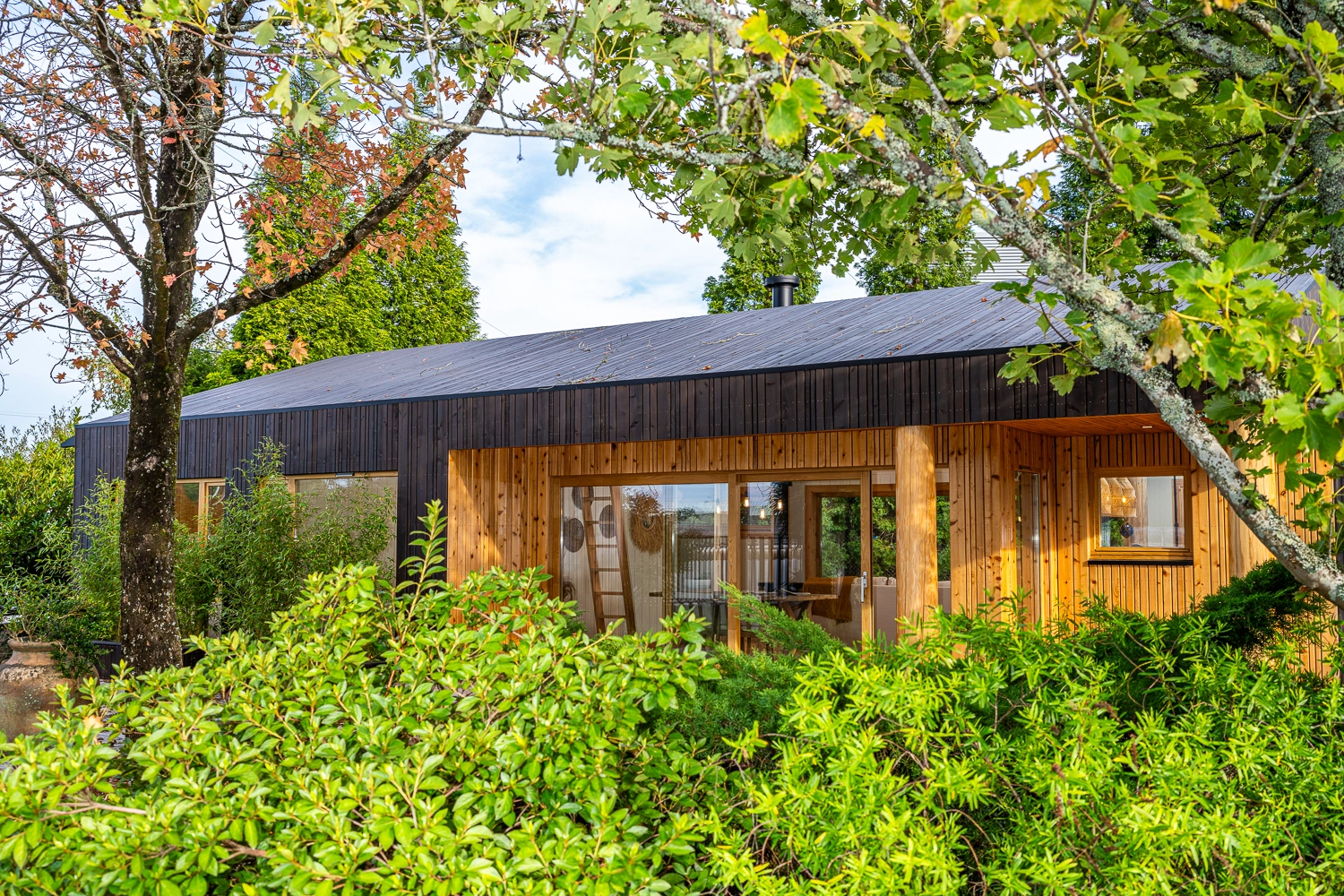
A concrete example of this evolution can be seen in the
ExpoHouse of rusticasa®, which embodies many of these trends. The seamless integration with the surrounding environment, the balanced use of natural materials, and the attention to detail reflect a contemporary approach where design and functionality coexist fluidly. This type of project demonstrates how timber architecture can combine
modern aesthetics,
comfort, and
efficiency, meeting today’s demands without losing authenticity.
In this context,
sustainability is no longer a trend — it is an
essential premise. Building with wood already represents a conscious choice, but contemporary architecture goes further. It integrates
energy-efficient solutions, prioritizes natural materials, and incorporates systems that reduce environmental impact throughout the entire lifecycle of the home.
Solar panels,
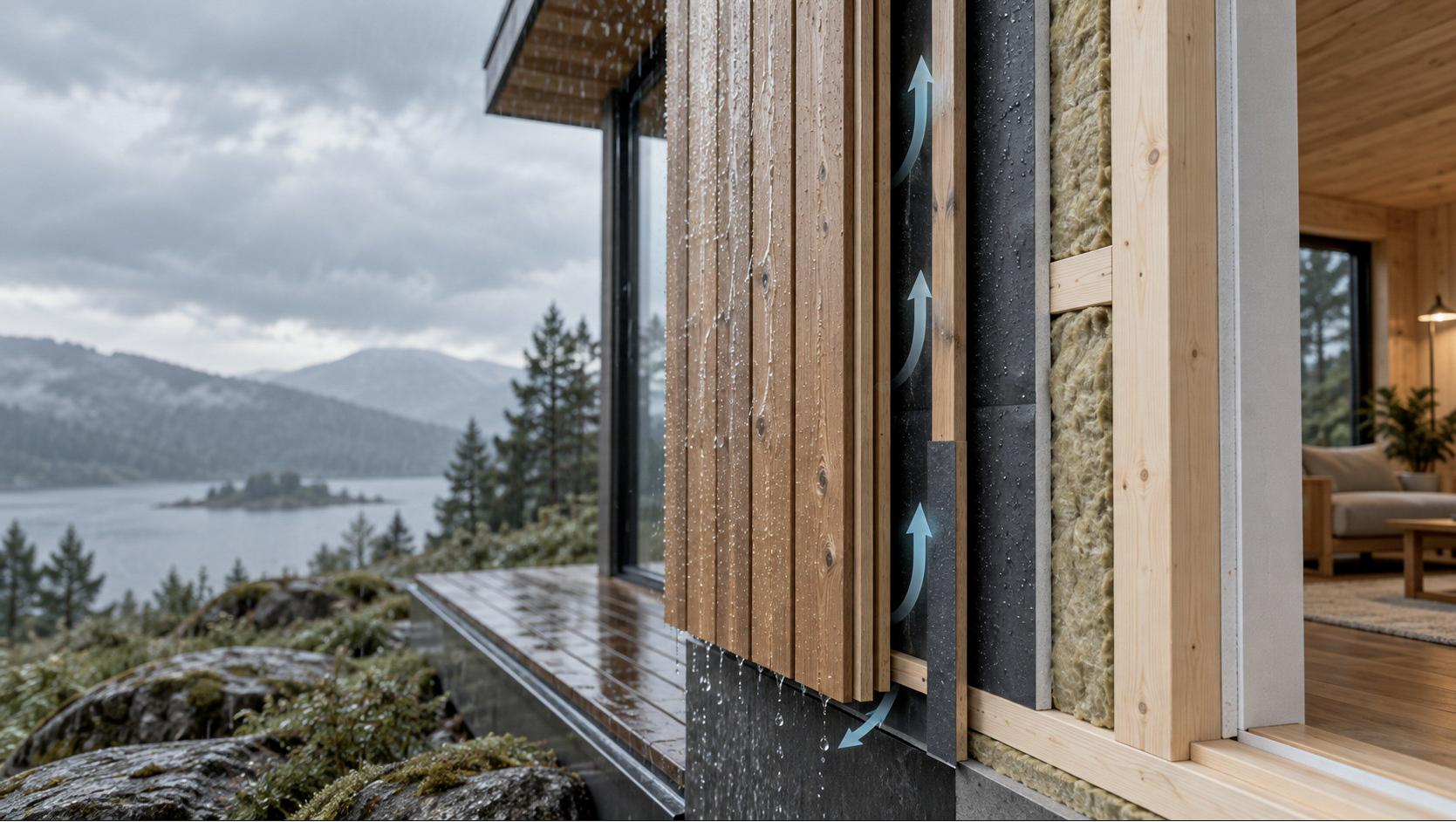
advanced thermal insulation, and passive ventilation strategies become part of the design from the very beginning — not as an addition, but as a foundation.
Interestingly, as technology becomes more present, it also becomes less visible. The
smart homes of 2026 do not showcase innovation — they embed it discreetly.
Integrated home automation, efficient energy management, and automated comfort control create an intuitive experience where everything operates in the background. The result is a more efficient home that retains its
natural and welcoming identity.
Inside, the trend follows a similar direction. The focus is on
authenticity, comfort, and identity. Spaces become more personal, more lived-in, with a balanced blend of
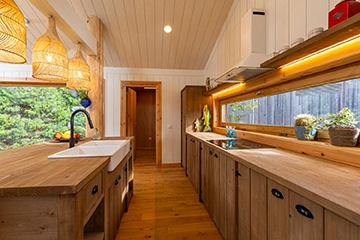
rustic and contemporary elements. Natural textures, functional furniture, and carefully designed lighting contribute to environments that do not impress through excess, but through how they make us feel: calm, comfortable, and truly at home.
Finally, there is a growing awareness of place. Each project is increasingly designed in response to the terrain, solar orientation, and surrounding landscape. Architecture adapts rather than imposes. This respect for context results in homes that are more efficient, better integrated, and more aligned with their environment — an approach that values both the built space and the nature around it.
In 2026, timber houses represent more than just a construction choice — they reflect a
new way of living. A commitment to spaces that are more conscious, more human, and more connected to nature. It is precisely in this balance between
innovation, sustainability, and well-being that their true relevance lies — today and in the future.
© 2026 rusticasa®